Custom Development Case Studies: Tailored Software in Action
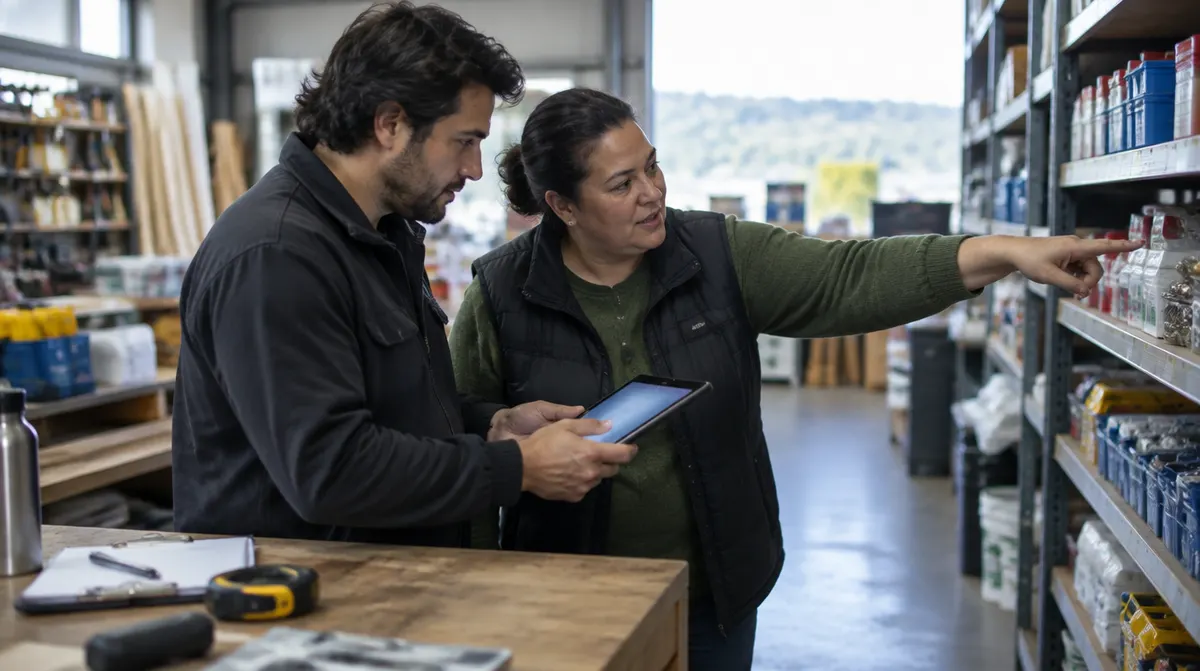
Sometimes the right software solution doesn't exist yet, it needs to be built. This Custom Development case study explores how a business partnered with developers to create a tailored application that solved specific operational challenges. See the real results achieved through custom-built software designed around unique business requirements.
When Off-the-Shelf Software Just Doesn't Cut It
Most businesses start with generic tools: a booking app here, a spreadsheet there, maybe a chatbot bolted onto the website. These work fine, until they don't. At some point, a business hits a wall where no existing product quite matches the way they actually operate.
That's the exact problem Custom Development from Automate AI is built to solve. As the team puts it, this service exists for "when off-the-shelf won't cut it." Instead of forcing a business to adapt to generic software, the Wellington-based team builds bespoke apps, dashboards and micro tools designed around the business's exact requirements.
What Custom Development Actually Looks Like
Custom Development isn't a single product, it's a category of tailored solutions. Depending on the business, this can include:
- End-to-end process platforms that manage an entire workflow from start to finish
- Custom quoting modules that take a customer all the way from initial enquiry to a signed quote
- Compliance platforms that handle submissions and AI-assisted validation
- Admin portals and dashboards that give teams visibility over their operations
The common thread is that these systems are built to match a specific business process, rather than asking the business to bend around a generic tool.
The Process: From Problem to Working Solution
One of the more reassuring parts of custom development is that it doesn't have to mean months of uncertainty. Automate AI runs the same three-step process across all their solutions, including custom builds:
1. Discovery Call
It starts with a free 30-minute call. This is where the team learns about the business, identifies 2 to 3 quick wins, and recommends the right solution. No obligation, no jargon, just a conversation about what's actually going wrong.
2. We Build It
From there, the Wellington team designs, builds and tests the solution. Businesses see progress within days, not months, and there's no technical knowledge required from the client's side. The system is hosted on AWS, with AI-assisted development helping speed things up without cutting corners.
3. Launch & Support
Once it's live, Automate AI monitors and continues improving the solution. If something breaks at 2am, that's their problem to fix, not yours.
Smaller builds can often be delivered within a few weeks, and larger platforms are delivered in stages, which is a big deal when you consider how long custom software projects can traditionally drag on.
Why This Approach Works
The real strength of custom development is that it targets a specific operational bottleneck rather than offering a broad, generic fix. Think about a construction or trades business that's drowning in manual quoting, chasing paperwork between enquiry and signed contract. A generic CRM might help a little. A custom quoting module built specifically around that business's pricing structure, job types and approval process solves the actual problem.
Or consider a business in legal services dealing with document-heavy client intake. A compliance platform with AI validation built into the submission process removes hours of manual checking, rather than just digitising the paperwork.
It's worth noting that Automate AI's broader results show what's possible when automation is tailored to a real business problem. Businesses working with the team have seen outcomes like:
- 83% fewer customer service calls (Grand Events, AI chatbot)
- 28% more conversions (4 Star Flooring, custom quoting platform)
These examples come from different types of projects (a chatbot and a custom quoting platform), but they illustrate the kind of measurable impact that comes from building something around the way a business actually works, rather than forcing a generic tool to fit.
Real Examples From Our Own Projects
Three builds that show the range, each with its own write-up:
- 4 Star Flooring ran sales on carbon-copy quote sheets. A custom online quoting and job management portal took the process digital, and conversion rose 28%.
- ANZCARE had to track medical device serial numbers across 4 Shopify sites and 7 Amazon regions. Automating it removed hours of manual work each day.
- Packaging Products needed a clearer view of its sales. A custom dashboard now shows daily, weekly and monthly trends with year-on-year comparisons, plus repeat-purchase and customer value patterns.
The common thread: each started with one specific, costly problem, not a wish list.
Is Custom Development Right for Your Business?
Custom Development tends to make the most sense when:
- You've outgrown generic software and are patching gaps with manual work
- Your process is complex enough that a "one input, one output" tool won't cover it
- You need something that connects multiple steps, like enquiry through to signed quote or compliance approval
- You want a system that's genuinely yours, built for your workflow, not the other way around
Automate AI works across a range of industries, including real estate, healthcare, legal services, hospitality, construction and trades, and e-commerce, tailoring each build to the specific demands of that sector.
Getting Started
Custom Development is a bespoke service, so pricing depends on the scope of the platform you need. Packaged services such as AI automation, voice agents and websites are monthly plans; current prices are on the pricing page. The best way to find out what a custom platform would look like (and cost) for your business is to start with the same first step everyone else does: a free discovery call. You can also read more about our custom development service.
Final Thoughts
Custom software isn't about building technology for its own sake. It's about removing a specific, costly problem that generic tools can't fix. If your team is patching gaps with spreadsheets and manual work, a tailored system built around how you actually operate may be the most practical next step.
Off-the-shelf software not quite fitting?
We design and build custom AI software, portals and internal tools around the way your business actually works.
Written by
Andy Barker
Founder of Automate AI, a Wellington-based AI automation agency and AI Forum New Zealand member. Andy writes the Automate AI blog, turning what is actually working in AI automation into plain-English guidance for NZ business owners.
More about Andy